
Gentle Cleanser Comparison for Sensitive Skin: Vanicream, CeraVe, and La Roche-Posay Compared Without Hype
If your face feels tight after cleansing, the problem is not always that your skin is "too sensitive." Sometimes the cleanser is simply doing too much: too much fragrance, too much foam, too much exfoliation, or too much residue left behind. A gentle cleanser comparison for sensitive skin is useful because the right choice is rarely about the flashiest ingredient list. It is about removing sunscreen, oil, and daily buildup while keeping the rest of the routine calm.
This comparison looks at three widely available options: Vanicream Gentle Facial Cleanser, CeraVe Hydrating Facial Cleanser, and La Roche-Posay Toleriane Hydrating Gentle Facial Cleanser. This is a source-based editorial comparison, not a lab test or a claim that one cleanser will suit every reactive skin type.
Affiliate disclosure: Adpard may earn a commission if you click a shopping link. Our comparison is based on product pages, ingredient disclosures, and editorial fit, not paid placement. You can read more about our process on our editorial policy and about page.
Quick Comparison Table
| Product | Better fit for | Texture | Notable formula angle | Watch-outs |
|---|---|---|---|---|
| Vanicream Gentle Facial Cleanser | Highly reactive routines that need fewer obvious irritant triggers | Light gel-cream | Soap-free, sulfate-free, no botanical extracts or essential oils | May feel too plain if you want a cushiony cream cleanse |
| CeraVe Hydrating Facial Cleanser | Normal-to-dry sensitive skin that wants barrier-support ingredients | Cream cleanser | Ceramides, hyaluronic acid, fragrance-free positioning | Creamy non-foaming texture can feel too lotion-like for oily skin |
| La Roche-Posay Toleriane Hydrating Gentle Facial Cleanser | Dry sensitive skin that likes a richer hydrating cleanse | Creamy lotion | Ceramide-3, glycerin, niacinamide, thermal water positioning | Niacinamide is useful for many people, but not universally tolerated |
The short version: Vanicream is the most minimal-feeling pick, CeraVe is the middle-ground barrier-support option, and La Roche-Posay is the most comfort-focused hydrating cleanser in this trio.
How We Compared These Gentle Cleansers for Sensitive Skin
For sensitive skin, the cleanser has one main job: cleanse without creating a new problem. The American Academy of Dermatology repeatedly recommends gentle, fragrance-free cleansing habits for irritated or sensitive skin, including using lukewarm water and avoiding harsh rubbing. That matters because even a good cleanser can feel wrong if it is paired with hot water, aggressive scrubbing, or too many active treatments afterward.
We compared these products on five practical criteria:
- Formula simplicity: whether the ingredient list avoids obvious fragrance, essential oil, scrub, and harsh-cleansing signals.
- Barrier support: whether the product includes humectants, ceramides, or other ingredients that make sense for dry or barrier-stressed skin.
- Texture: because a cleanser that feels too slippery, too foamy, or too bare can change whether someone uses it consistently.
- Routine fit: how it pairs with sunscreen, moisturizer, and treatment products.
- Freshness risk: whether claims rely on prices, packaging, or formulas that may change.
Prices and product details were checked on May 26, 2026. Always confirm the ingredient list on the package you buy, especially if you have fragrance allergy, eczema-prone skin, rosacea, or a history of reacting to common preservatives.
Vanicream Gentle Facial Cleanser: The Low-Noise Option
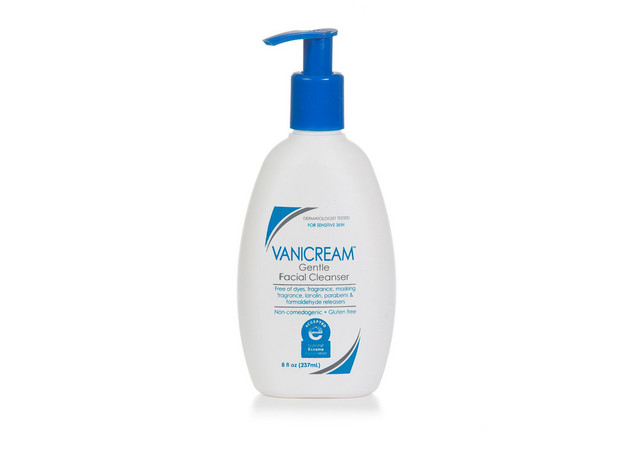
Vanicream Gentle Facial Cleanser is the easiest product in this comparison to understand. The official product page positions it as a daily facial cleanser for sensitive skin and lists a soap-free formula without botanical extracts or essential oils. It is also described as non-comedogenic, sulfate-free, gluten-free, dermatologist tested, and accepted by the National Eczema Association.
The main editorial reason to consider Vanicream is not that it has the most advanced ingredient story. It is that it avoids many categories people with reactive skin often try to avoid first: added fragrance, essential oils, botanical extracts, and a heavily sensorial texture. The ingredient list is relatively short for a modern cleanser and includes glycerin plus mild cleansing agents.
Vanicream makes the most sense if your current routine already has the treatment steps you need and your cleanser simply needs to stay out of the way. If your skin stings from many products, or if you are rebuilding a stripped routine after overusing acids, retinoids, or acne washes, Vanicream is the most conservative starting point among the three.
The tradeoff is that the formula may feel basic. If you want a plush cream cleanser that leaves a moisturized feel, CeraVe or La Roche-Posay may feel more comforting. If you wear heavy water-resistant sunscreen or long-wear makeup, Vanicream may still need a first cleanse or makeup remover before it.
CeraVe Hydrating Facial Cleanser: The Barrier-Support Middle Ground
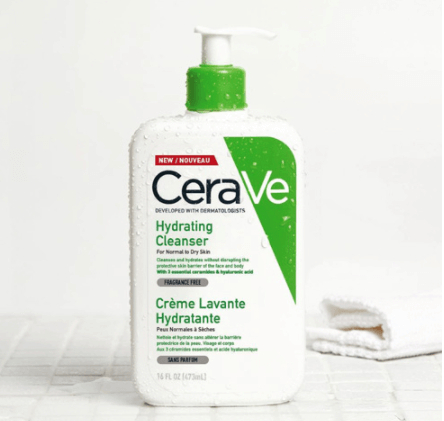
CeraVe Hydrating Facial Cleanser sits in the middle of this comparison. The official CeraVe page describes it as a hydrating cleanser for normal to dry skin, formulated with ceramides and hyaluronic acid, and made to cleanse without leaving skin tight or dry. It is also positioned as fragrance-free and non-comedogenic.
The appeal is clear: many sensitive-skin routines already rely on ceramides, glycerin, and hyaluronic acid in leave-on products, and CeraVe brings that barrier-support language into the cleansing step. A cleanser is rinsed off, so it should not be treated like a moisturizer. Still, a creamy, non-stripping cleanser can matter if your skin tends to feel tight immediately after washing.
CeraVe is a good fit if you want a gentle cleanser that feels more cushioned than Vanicream but less premium-priced than La Roche-Posay. It also pairs naturally with barrier-repair moisturizers, which makes it a useful internal match for our guide to barrier repair moisturizers for sensitive skin.
The main watch-out is texture. Some people love the lotion-like, non-foaming feel; others feel it does not rinse as cleanly as a gel. Oily or very acne-prone users may prefer a low-foam gel cleanser, while dry sensitive users may appreciate the softness. If you already use a ceramide-heavy moisturizer, CeraVe can be a sensible routine match, but it is not automatically better than a simpler cleanser.
La Roche-Posay Toleriane Hydrating Gentle Cleanser: The Comfort Pick
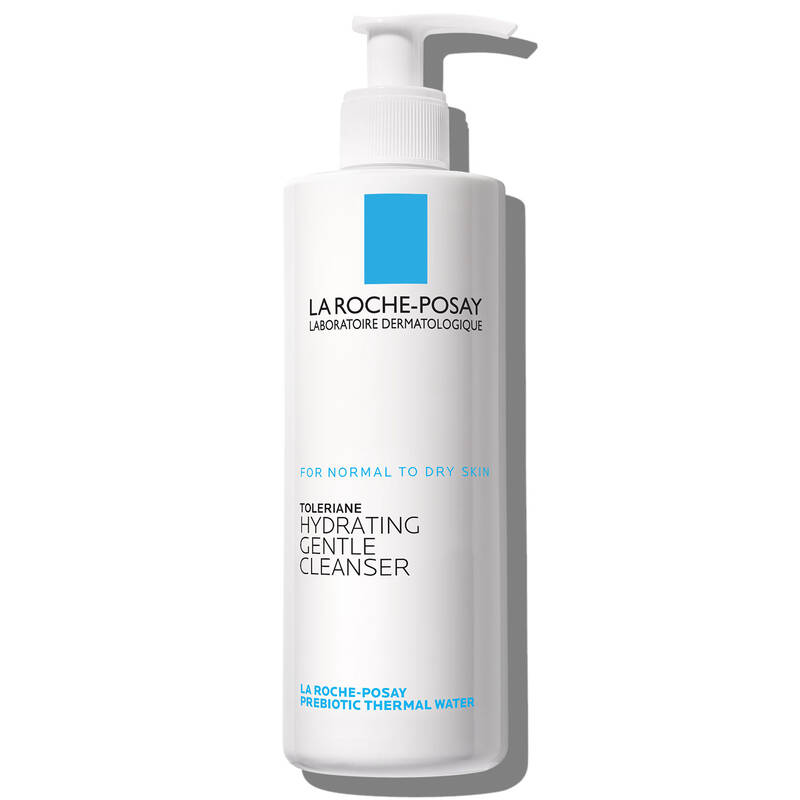
La Roche-Posay Toleriane Hydrating Gentle Facial Cleanser is the most comfort-focused option in this trio. The official page describes it as a daily face wash for normal to dry sensitive skin, formulated with La Roche-Posay prebiotic thermal water, niacinamide, ceramide-3, and glycerin. The same page lists the 400ML size at $19.99 when checked on May 26, 2026.
This cleanser is a strong candidate if your skin feels dry, tight, or uncomfortable after cleansing and you prefer a richer cream feel. Glycerin and a cream texture make sense for a cleanser designed around comfort. Ceramide-3 supports the barrier-positioning story, while niacinamide adds a soothing and barrier-support angle that many sensitive-skin users actively seek.
The caveat is that niacinamide is not universally loved. Many people tolerate it well, but some reactive-skin users report flushing or stinging with niacinamide products. That does not make the ingredient bad; it means La Roche-Posay is not the safest “minimalist” pick if you are trying to identify triggers. In that case, Vanicream is the more cautious first step.
La Roche-Posay also fits well if you already liked the brand from sunscreen research. For daytime routines, see our sensitive skin sunscreen comparison after choosing a cleanser and moisturizer.
Which Cleanser Should You Choose?
Choose Vanicream if your priority is fewer obvious irritant categories. It is the most practical pick for a stripped-back routine, especially if you are trying to remove variables from your skincare.
Choose CeraVe if your skin is normal-to-dry, you like cream cleansers, and you want a cleanser that aligns with a ceramide-based barrier routine. It is the most balanced option for many drugstore routines.
Choose La Roche-Posay if your skin feels dry after cleansing and you want the richest comfort profile of the three. It is especially appealing if you already tolerate niacinamide and prefer a more cushiony cleanse.
The better choice depends less on the label “sensitive skin” and more on your specific triggers. If fragrance is your main issue, all three are positioned to avoid added fragrance. If you react to many actives, Vanicream is the least busy. If your barrier is dry but not easily triggered by niacinamide, La Roche-Posay may feel more comfortable.
How This Fits Into a Sensitive-Skin Routine
A cleanser does not fix a damaged skin barrier by itself. It creates the conditions for the rest of the routine to work without extra irritation. A practical sensitive-skin routine usually looks like this:
- Cleanse gently at night, or morning and night only if your skin tolerates it.
- Apply a bland moisturizer while skin is slightly damp.
- Use sunscreen in the morning.
- Add treatments slowly, one at a time.
If your main concern is barrier repair after cleansing, compare this article with our barrier repair cream comparison. If your routine still lacks a daily moisturizer, start with our barrier repair moisturizers guide. For daytime protection, the next logical step is our sensitive skin sunscreen comparison.
FAQ
Is Vanicream better than CeraVe for sensitive skin?
Not always. Vanicream is the more minimal-feeling option and may be better if you are trying to avoid botanical extracts, essential oils, and a busier formula. CeraVe may be better if your skin likes creamy cleansers and you want ceramides and hyaluronic acid in the routine.
Is La Roche-Posay Toleriane cleanser good for sensitive skin?
It can be a good fit for normal-to-dry sensitive skin, especially if you want a cream cleanser with glycerin, ceramide-3, and niacinamide. If you know your skin reacts to niacinamide, Vanicream may be a safer first comparison point.
Should sensitive skin use a foaming cleanser?
Sensitive skin can use a foaming cleanser, but foam is not automatically better. If your skin feels tight, squeaky, or itchy after washing, a non-foaming or low-foam cleanser may be a better fit. The result after rinsing matters more than the foam level.
Can these cleansers remove sunscreen?
They may remove light daily sunscreen, but heavy mineral sunscreen, water-resistant sunscreen, or long-wear makeup may need a first cleanse. If your face still feels coated after washing, use a dedicated makeup remover or cleansing balm before your gentle cleanser.
Which cleanser is safest for a damaged skin barrier?
There is no universal safest cleanser. For a damaged or reactive barrier, the conservative approach is to choose a fragrance-free, non-scrubbing cleanser, use lukewarm water, avoid washcloth friction, and keep the rest of the routine simple. Vanicream is the most minimal option in this comparison.
Sources
- Vanicream official product page: https://www.vanicream.com/product/vanicream-facial-cleanser
- CeraVe official product page: https://www.cerave.com/en-us/skincare/cleansers/hydrating-facial-cleanser
- La Roche-Posay official product page: https://www.laroche-posay.us/our-products/face/face-wash/toleriane-hydrating-gentle-facial-cleanser-tolerianehydratinggentlefacialcleanser.html
- American Academy of Dermatology skincare basics: https://www.aad.org/public/everyday-care/skin-care-basics/care/skin-care-for-men
- National Eczema Association product directory: https://nationaleczema.org/eczema-products/vanicream-gentle-facial-cleanser/
Title Candidates
- Gentle Cleanser Comparison for Sensitive Skin: Vanicream, CeraVe, and La Roche-Posay Compared Without Hype
- Vanicream vs CeraVe vs La Roche-Posay: Which Gentle Cleanser Fits Sensitive Skin?
- Three Gentle Cleansers for Sensitive Skin Compared by Formula, Texture, and Routine Fit
- If Cleansers Leave Your Face Tight, Compare These Three Sensitive-Skin Options
- CeraVe, Vanicream, or La Roche-Posay Cleanser: A Practical Sensitive-Skin Decision Guide